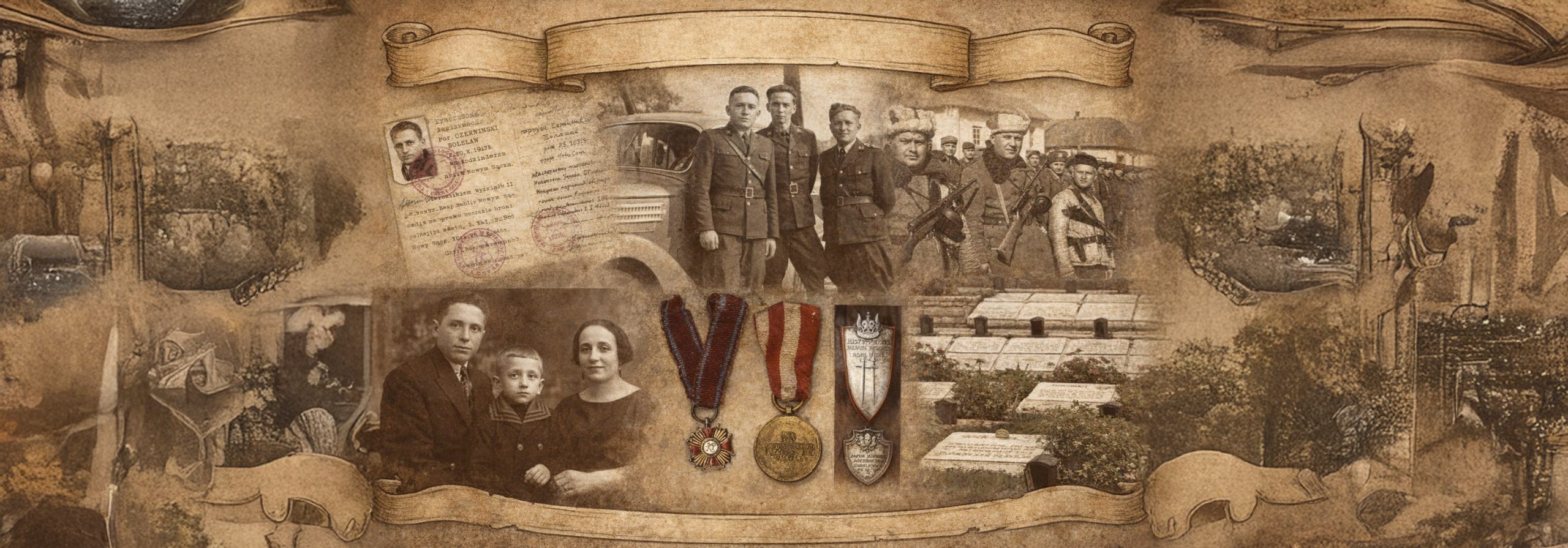
Storytelling and Heritage Stories
Heritage stories are crucial because they bridge generations, transmit cultural identity values and history from the past to the present. They act as a thread connecting us to our ancestors and give relevance to events that would otherwise evaporate and be forgotten.
These narratives—encompassing oral tales, family anecdotes, legends, and myths—transform static historical facts into engaging, lived experiences that foster a sense of belonging and community cohesion.
The importance of preserving history and memory
- While textbooks offer facts, heritage stories offer feelings and personal perspectives, making history relatable and unforgettable.
- They document experiences, specifically those of oppressed, overlooked, or indigenous communities, that formal history often misses.
- Actively telling these stories prevents the erasure of a community’s existence or the distortion of their identity by external, dominant narratives.
Modern Relevance
- Resistance and Pride: For many, particularly in the diaspora or among minority groups, sharing heritage stories is an act of resistance against cultural degradation, allowing them to assert their identity in a multicultural world.
- Adapting for the Future: Heritage stories are not static; they evolve through modern mediums like film, digital archives, and podcasts, ensuring they remain relevant to new generations.
In summary, heritage stories are the “invisible architecture” of culture, transforming tangible remnants of the past (sites, objects) into dynamic, meaningful lived experiences that connect past, present, and future.
“Storytelling reveals meaning without committing the error of defining it”
Hannah Arendt